Choosing a face makeup remover
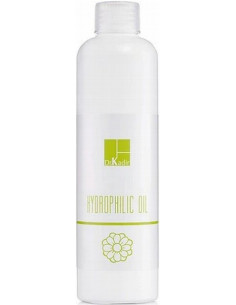
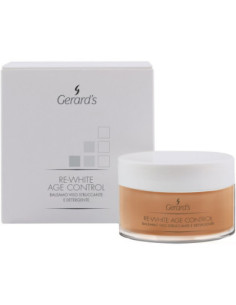
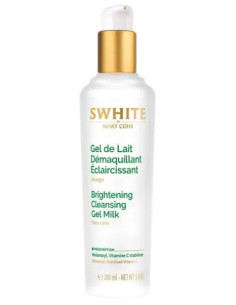
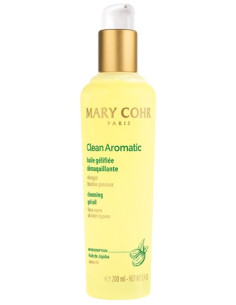
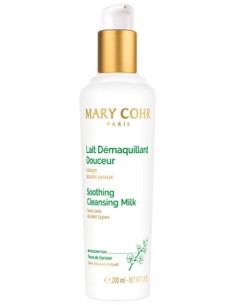
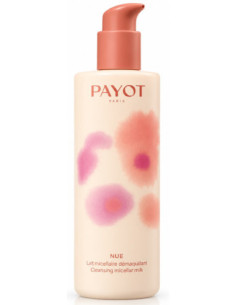
For light everyday makeup, try a cleansing milk or a micellar formula labelled for makeup removal. If you wear long-wear foundation or several layers of makeup, a cleansing oil or balm can help break them down. An emulsifying oil typically goes onto dry skin before you add water and rinse as directed. Think about whether you would rather remove makeup with a pad or rinse it away at the sink. If you prefer a light, water-like texture, compare micellar waters intended for makeup removal.
Removing long-wear eye and lip makeup
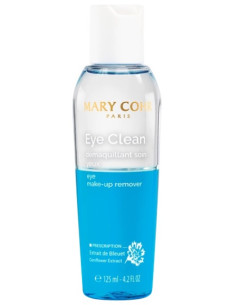
For waterproof mascara, eyeliner or long-wear lipstick, choose a remover labelled for the product and area you want to cleanse. Shake a dual-phase remover before using it so the layers mix. Saturate a makeup remover pad and, if directed, hold it against a closed eyelid or the lips for a few seconds. Gently wipe the makeup away. If anything remains, use a freshly soaked pad and repeat with a light touch.
Finishing your face cleanse
Check whether your remover needs to be rinsed off. If you still feel an oily film or see traces of makeup, follow with a suitable facial cleanser as needed. Check around the hairline, the sides of the nose and along the jaw, where makeup is easy to miss. If you use a reusable pad or cloth, wash it after use and let it dry completely.