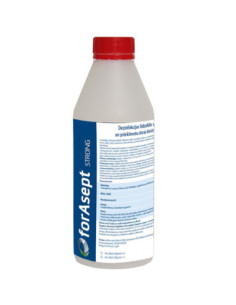
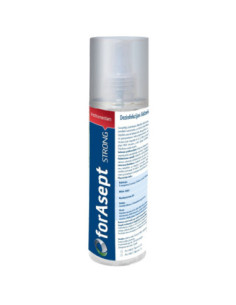
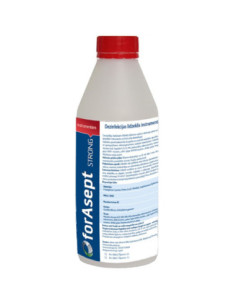
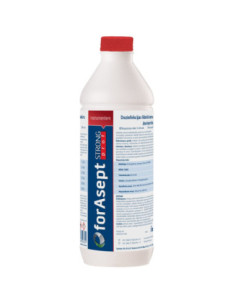
Surface disinfectants for professional salon hygiene
Surface disinfectants are used to support hygienic routines on worktops, treatment-area surfaces, equipment exteriors and other frequently touched hard surfaces. In hair salons, barbershops, beauty studios, nail salons, spas and similar professional environments, surface disinfection is typically part of the workflow between clients and during routine cleaning. Depending on the product, the category may include ready-to-use sprays and liquids, concentrates that require dilution, and disinfecting wipes. Some formulations can also be approved for certain tools or accessories, but the label should always be checked before using a surface product on instruments.
Choosing a professional surface disinfectant is not simply a matter of selecting the largest bottle. The intended use, required contact time, dilution instructions, material compatibility, application method and the efficacy claims stated on the product label all matter. A product that is convenient for a small workstation may not be the most practical choice for a high-volume salon, while a concentrate can be economical only if staff can prepare and use the working solution correctly.
Ready-to-use sprays, concentrates and wipes
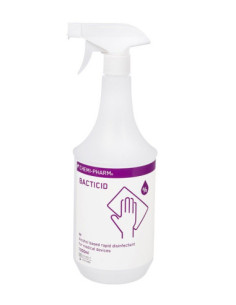
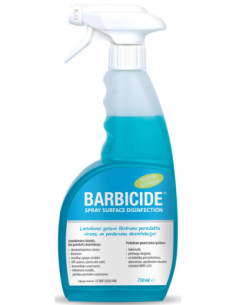
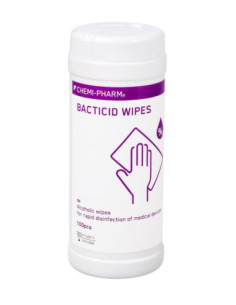
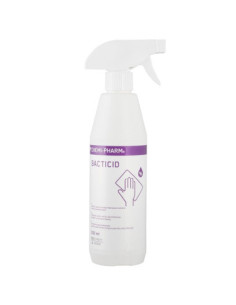
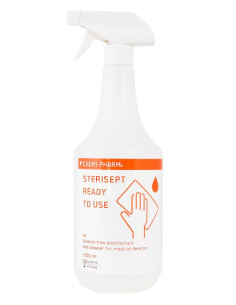
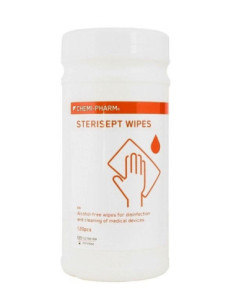
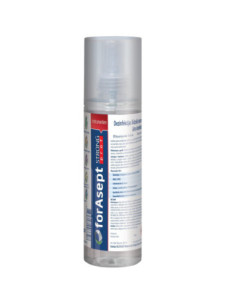
Ready-to-use surface disinfectant is designed for straightforward application without measuring or mixing. It can be useful for counters, workstations, hard parts of salon furniture, handles, wash areas and other touch points that need frequent attention. Spray formats help distribute liquid across a surface, while pre-saturated wipes can be practical for small areas and fast turnover between services. Always follow the instructions for how much product to apply and whether the surface should be wiped, rinsed or allowed to air-dry.
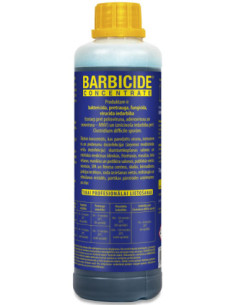
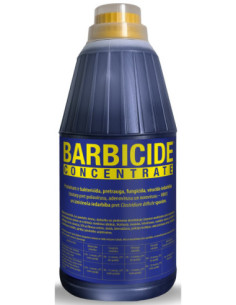
Concentrated disinfectant must be diluted exactly as directed by the manufacturer. Concentrates are often considered for professional settings with regular or higher-volume use because one container can produce a larger amount of working solution. Correct measurement is essential: increasing the concentration is not a substitute for following the approved instructions, and using too little product may also compromise the intended process. If a prepared solution has a defined in-use life, that should be included in the salon's hygiene routine.
Cleaning before disinfection
Cleaning and disinfection are related but different steps. Hair, dust, oils, cosmetic residue and other visible soil should generally be removed before disinfecting unless the product instructions specifically describe a combined cleaning-and-disinfection process. Mechanical cleaning helps the disinfectant contact the actual surface rather than a layer of residue. For a busy salon, it is useful to define which surfaces require cleaning first and which products are intended to perform both functions.
Typical salon surfaces and professional applications
Common areas include styling stations, manicure and pedicure worktops, hard surfaces of treatment beds and chairs, trolleys, lamp handles, sinks, door handles, switches and other high-touch points. Surface disinfectants may also be relevant in massage rooms, tattoo and piercing work areas, wellness facilities and shared staff spaces. For electrical devices, coated furniture, acrylic, natural stone, painted finishes and other sensitive materials, compatibility should be confirmed before routine use.
Tools require separate consideration. A product described for surfaces should not automatically be assumed suitable for combs, scissors, clipper attachments, manicure tools or other reusable instruments. Where a disinfectant is approved for both surfaces and instruments, follow the specific instructions for each use. Disinfection is also not the same as sterilization; professional hygiene procedures may require different steps depending on the instrument, service and applicable local rules.
How to choose the right surface disinfectant
Start with the workflow. For rapid turnover between clients, a ready-to-use spray or wipe may be convenient. For larger areas or regular daily use, a concentrate may suit businesses that can standardise dilution and labelling of working solutions. Compare package size, dosing method, required contact time, fragrance or fragrance-free options where available, and whether rinsing is required after use. Consider storage space and how the product will actually be used at each workstation.
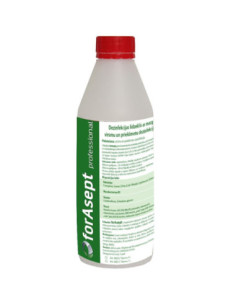
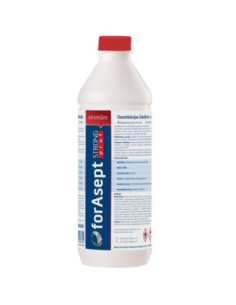
Material compatibility is equally important. Stainless steel, plastics, acrylics, laminates, painted surfaces and upholstery components can respond differently to disinfecting formulations. The manufacturer’s instructions should identify suitable surface types and any restrictions. When comparing professional hygiene brands such as BARBICIDE, Chemi-Pharm or ForAsept, use the individual product label as the deciding source rather than assuming that all products from one brand share the same application, active ingredients or contact time.
Contact time matters
A disinfectant needs the labelled contact time to perform as intended. In practical terms, this often means applying enough product to keep the surface treated for the required period and avoiding premature wiping. A clear salon procedure can make this easier: remove visible soil, apply the selected product, observe the stated contact time, then wipe, rinse or allow to dry as instructed. For concentrates, add the correct dilution step and any rules for replacing prepared solution.
Safe use in salons and studios
Professional disinfectants should be handled according to the label and safety information. Do not use a surface product on skin unless it is specifically approved for that purpose. Do not mix different chemical products unless the manufacturer explicitly instructs you to do so. Maintain appropriate ventilation, keep containers correctly labelled and store products in line with the manufacturer’s requirements. For biocidal products, read the label and product information before use and follow local requirements for professional handling.
What to check before buying
Before ordering a surface disinfectant, list the surfaces you need to treat, how often they are disinfected and how much time is available between clients. Then compare application format, contact time, dilution requirements, material compatibility and intended use. A good choice is one that fits the actual salon routine and can be used consistently by everyone on the team. Whether you prefer a ready-to-use surface disinfectant spray, disinfecting wipes or a professional concentrate, correct use is more important than choosing a product on packaging or price alone.