Choosing a comb for your hair
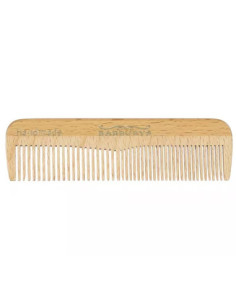
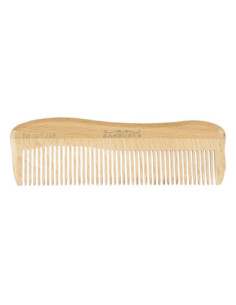
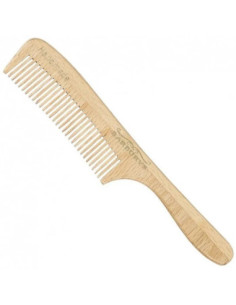
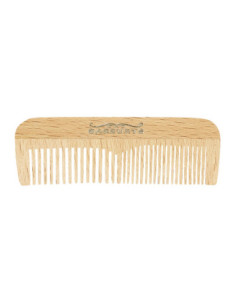
For thick or curly hair that knots easily after washing, try a wide-tooth comb with smooth, rounded tips. Start at the ends of a small section, then move towards the roots once the knots are loose. This lets you work through one tangle at a time without pulling on the entire section. For everyday brushing or smoothing longer hair, take a look at our hair brushes. A fine-tooth comb is useful once the hair is detangled, especially for smoothing a section or tidying shorter hairs along the hairline.
Combs for cutting, sectioning and root lift
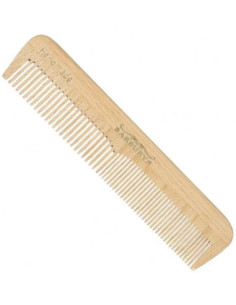
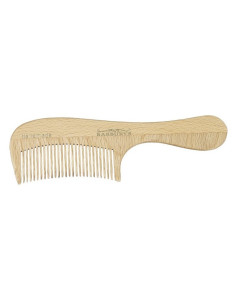
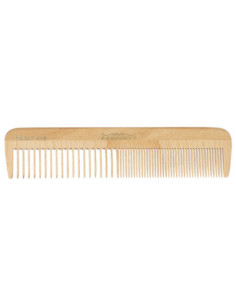
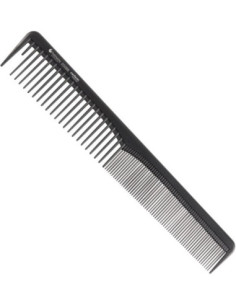
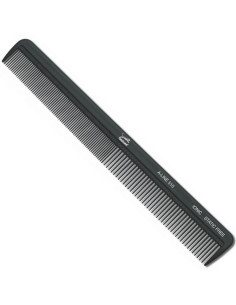
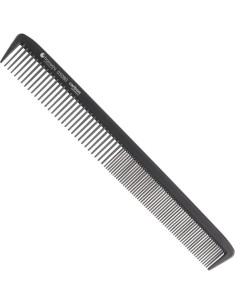
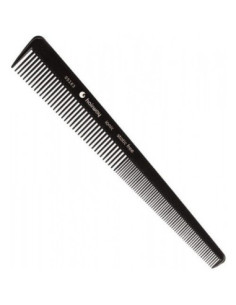
A cutting comb with wide and fine teeth gives you two options in one tool. Use the wider teeth to organise a section, then the finer teeth to hold it in place as you cut. If you are putting together a cutting kit, compare our hairdressing and thinning scissors as well. A pointed tail comb is handy for clean partings or picking out fine sections for highlights. A wide barber comb with a handle gives you more room when cutting clipper over comb. For volume at the roots, use a teasing comb for backcombing or choose an Afro pick with long, widely spaced teeth to lift curls while keeping their shape through the lengths.
Materials and everyday cleaning
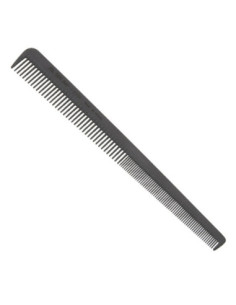
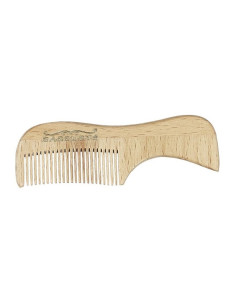
Check that the edges of the teeth are smooth so the comb glides through the hair. If you often blow-dry while combing, check the manufacturer’s guidance on heat resistance. When comparing carbon combs and other materials, consider how much flex you want and whether the material is compatible with the cleaner or disinfectant you use. After each use, remove trapped hairs and wipe away styling product residue. A compact beard and moustache comb is useful for tidying shorter hairs close to the lips.