Choosing a hair brush
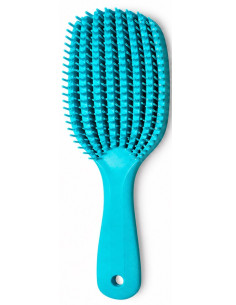
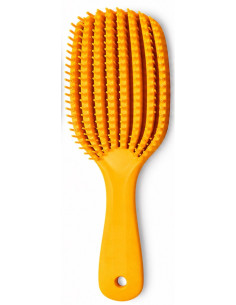
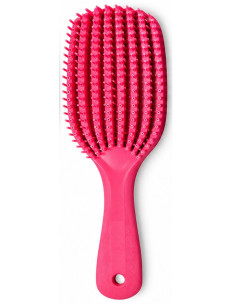
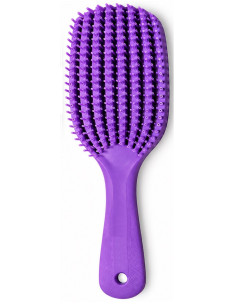
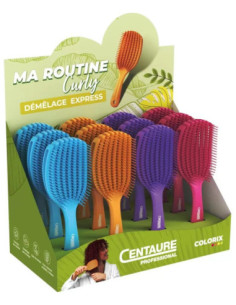
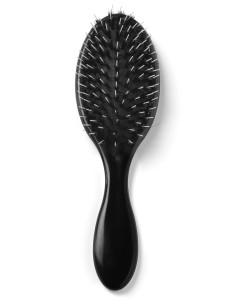
If your hair tends to knot after washing, look for a detangling brush with flexible bristles or pins. Check that the brush is designed for wet use if you plan to use it straight out of the shower. A paddle brush works well for everyday brushing and smoothing, especially on long or thick hair, because its wide surface covers more hair in each pass. To create a neat parting or section hair for cutting, reach for a comb.
Round and vented brushes for blow-drying
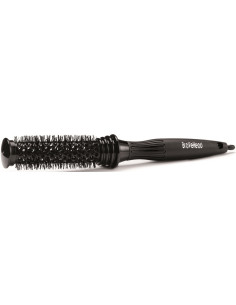
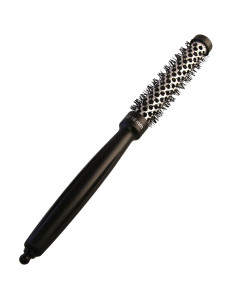
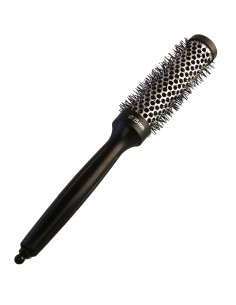
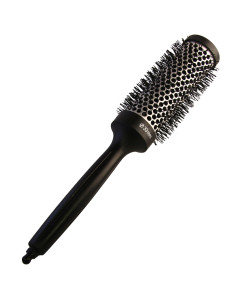
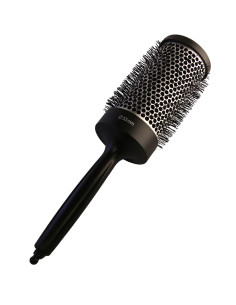
Use a round brush to lift the roots, turn the ends or shape loose waves. A smaller barrel suits short hair and creates a tighter bend. A larger one helps smooth longer sections and gives them a softer curve. The openings in a vented brush let air pass through the brush, which is handy when you want to dry your hair quickly. If you are putting together a blow-drying kit, take a look at our hair dryers. Check that the brush is suitable for regular use with warm air.
Bristle types and brush care
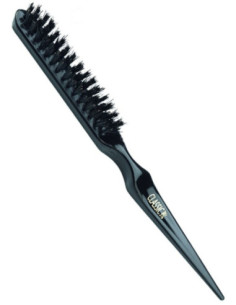
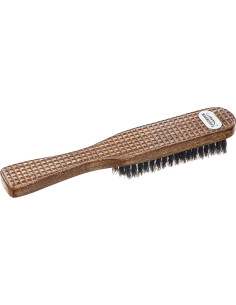
Natural bristles help smooth the surface of the hair, while flexible nylon pins can help work through tangles. Mixed-bristle brushes combine the two. For fine hair or a sensitive scalp, try softer, flexible bristles. For extensions, choose a brush designed for them and take care when brushing near the attachments. Start detangling at the ends and work up in small sections. Remove loose hairs from the brush after use. If the manufacturer says the brush can be washed, let it dry completely before you use it again.
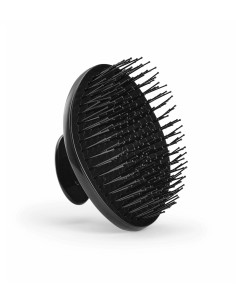
Compare the handle and weight, too, particularly if you use the brush for several blow-dries a day. If brushing often leaves your hair full of static, consider an antistatic model. For scalp massage, choose a brush with rounded tips and use a light touch. If you want to keep curls defined, try detangling in small sections with a brush designed for your curl type.