
Your cart
There are no more items in your cart
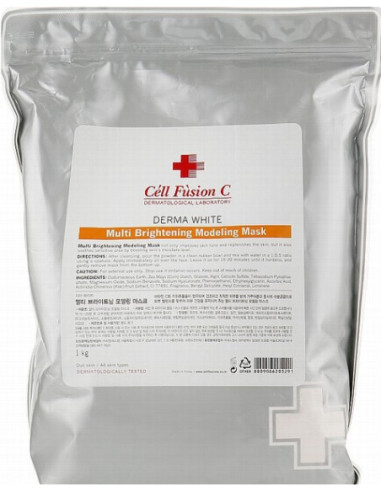
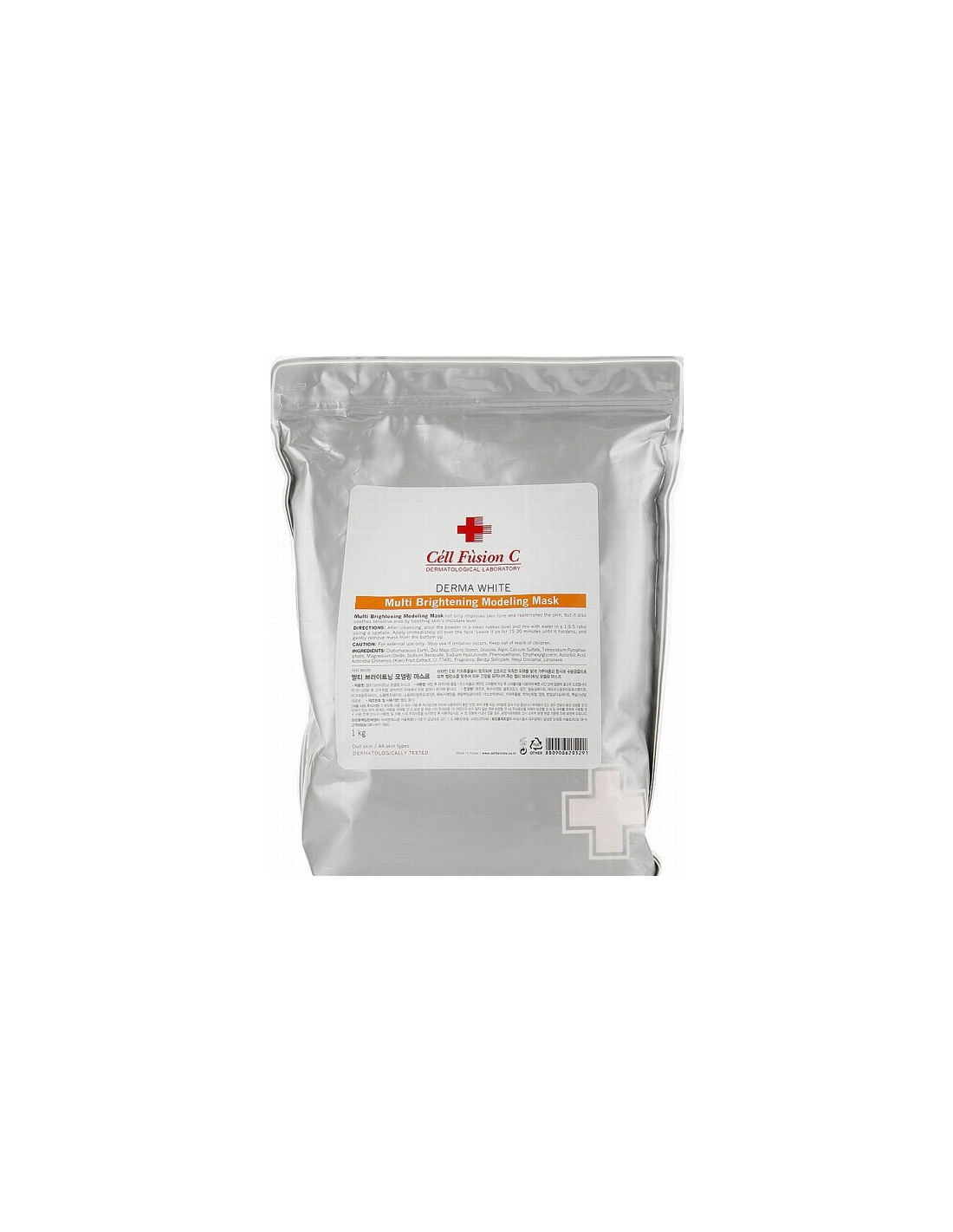
Improves skin tone and restores skin condition, as well as soothes tired and irritated skin. Intensive moisturizing and skin relief modeling. Thanks to the content of Chinese actinidia fruit (kiwi) extract in the mask, it revives the skin and improves complexion. Ascorbic acid has an antioxidant effect to keep the skin glowing and even-toned.
- Properties
- Body firming
For skin glow - Skin type
- For all skin types
- Weight
- 501-1000gr
Cell Fusion C is a Korean derma-cosmetic brand built around one clear promise: help skin return to a calm, balanced state when it has been stressed by procedures, environmental aggressors, or everyday sensitivity. On its official site, the brand describes itself as a medical derma-cosmetic line established in 2002 and rooted in dermatological science, with formulas designed to be safe even for sensitive, post-procedure skin.
What makes the brand feel “clinical” isn’t just the minimalist packaging or the focus on barrier care—it’s the research culture behind it. Cell Fusion C operates CMS LAB, a cosmetics and ingredients research institute located in Gangnam, Seoul. The lab’s work centers on barrier recovery and lipid balance, and the company notes participation in global cosmetic-science events such as the IFSCC congress, where it presented research related to a lipid complex (NEO-CMS) aimed at supporting damaged skin barriers.
This science-first identity shows up in the way the range is organized. Instead of chasing aggressive “peel-and-replace” trends, Cell Fusion C positions many products as daily recovery tools: low-pH moisturizers, calming creams, cooling masks and pads, hydrating serums, gentle cleansers, and barrier-supporting treatments that can be layered without feeling heavy. The emphasis is on comfort (less stinging, less tightness), consistent hydration, and a finish that fits real routines—under sunscreen, under makeup, or as a simple night routine when skin is acting up.
Sun protection is a pillar of the brand’s lineup, especially for people who worry about irritation from sunscreens or want a base that sits well under foundation. On its product pages, Cell Fusion C highlights “Laser UV Defense Sunscreen” as a hybrid sunscreen and promotes it as a long-running winner in Olive Young’s sunscreen awards. Beyond that hero, the brand sells multiple UV options—including mineral and stick formats—so users can choose the filter type and texture they tolerate best, or keep one formula for home and another for easy reapplication on the go.
Cell Fusion C also blurs the line between skincare and complexion. In a blog post on its site, the brand frames its BB cream as a “care” product that happens to offer coverage—reflecting the idea that makeup should not undermine skin recovery. In practice, this translates into base products (BB creams and tone-up sun bases) that aim for natural-looking correction, breathable wear, and everyday friendliness for sensitive or blemish-prone skin.
Who is it for? If your customers are the “my skin is unpredictable” crowd—people who flush easily, feel dry after cleansing, react to new actives, or want extra reassurance after in-office treatments—the brand’s positioning speaks directly to them. The official “About Us” messaging focuses on post-dermatological procedure recovery and daily recovery from external aggressors, which makes the line easy to merchandise around: barrier-first moisturizers, calming masks for flare-ups, and high-SPF protection as the final daily step.
From a brand-description standpoint, the most useful way to summarize Cell Fusion C is as a “recovery routine builder.” It’s not about dramatic overnight transformations; it’s about helping skin stay steady—hydrated, protected, and comfortable—so that brighter tone, smoother texture, and a healthier-looking glow can emerge with consistency. That’s also why the product mix includes both treatment-style items (ampoules/serums) and maintenance staples (cleansers, creams, sunscreens, masks): they work together as a system rather than as single hero steps.
A typical routine is simple: cleanse gently, apply a serum or ampoule, seal with a cream, then finish with daily UV protection. On days you want coverage, swap in BB or a tone-up base.
In short, Cell Fusion C offers a clinic-inspired approach you can bring into everyday life: research-led formulas, barrier-minded routines, and sunscreen plus complexion products that prioritize how skin feels as much as how it looks.
Tap to zoom
Grade Comments (0)